
Introduction
As environmental concerns continue to rise globally, businesses and consumers are increasingly seeking sustainable solutions to reduce their ecological footprint. Traditional packaging materials, such as plastic and non-recyclable composites, have long been scrutinized for their negative impact on the environment. In response to these concerns, the demand for biodegradable packaging has surged, marking a significant shift towards more sustainable practices.
Biodegradable packaging not only reduces waste but also aligns with modern eco-friendly trends. In this article, we will explore the role of biodegradable packaging in sustainability, its benefits, and how it integrates with other innovative packaging solutions such as recyclable food packaging boxes, gift box packaging design, and food-grade paper packaging.
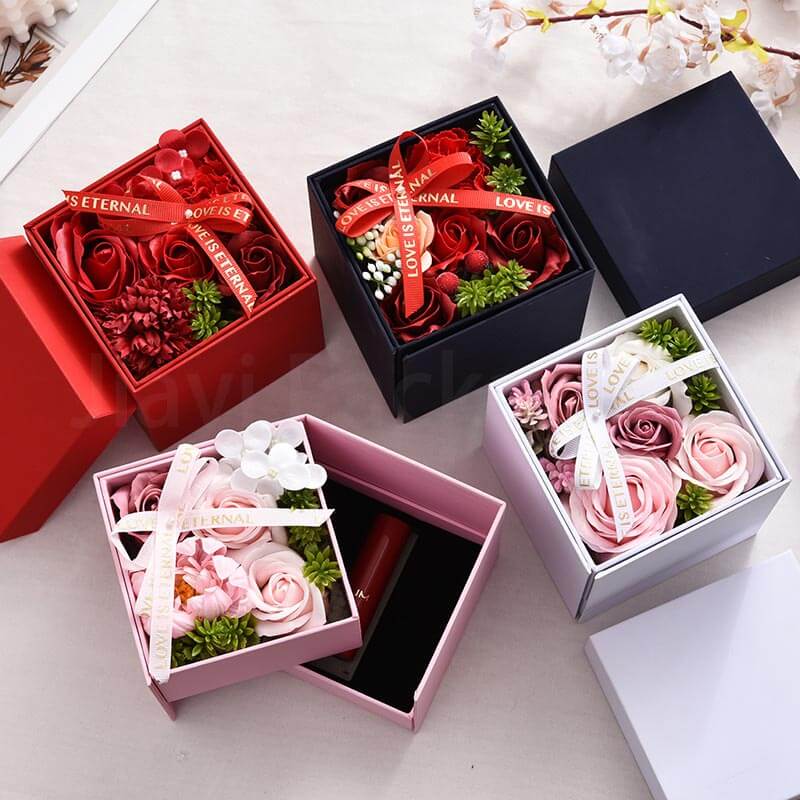
Understanding Biodegradable Packaging
Biodegradable packaging refers to materials that can break down naturally into non-toxic components under environmental conditions. Unlike traditional packaging, which can persist in the environment for centuries, biodegradable packaging decomposes quickly, reducing landfill waste and pollution.
Key Characteristics of Biodegradable Packaging:
- Compostability:Biodegradable materials can be composted, returning nutrients to the soil and reducing waste.
- Renewable Resources:Often made from natural, renewable materials such as cornstarch, cellulose, and sugarcane.
- Minimal Environmental Impact:Designed to minimize carbon emissions and conserve resources throughout their lifecycle.
Biodegradable packaging is transforming industries by offering a sustainable alternative to conventional materials, paving the way for a greener future.
The Rise of Recyclable Food Packaging Boxes
Food packaging is a major contributor to global waste, with millions of tons of packaging ending up in landfills each year. Recyclable food packaging boxes offer a solution by providing an environmentally friendly way to package and transport food products.
Advantages of Recyclable Food Packaging Boxes:
- Reduced Waste:Designed to be recycled, these boxes minimize landfill waste and promote a circular economy.
- Food Safety:Made from food-grade paper packaging, they ensure safe and hygienic storage of food items.
- Consumer Appeal:Increasingly preferred by eco-conscious consumers who prioritize sustainability in their purchasing decisions.
Companies like Jiayi Packaging are leading the charge in providing innovative recyclable food packaging solutions that meet the demands of both businesses and consumers. Their focus on quality and sustainability ensures that food products are packaged in materials that are both safe and environmentally friendly.
Gift Box Packaging Design: A Fusion of Aesthetics and Sustainability
Gift packaging plays a significant role in the retail and gifting industries, where the presentation is often as important as the product itself. Gift box packaging design is evolving to incorporate sustainable practices, offering visually appealing solutions that are also kind to the planet.
Elements of Sustainable Gift Box Packaging Design:
- Eco-Friendly Materials:Using biodegradable and recyclable materials reduces the environmental impact.
- Innovative Design:Creative designs that use minimal materials while maintaining aesthetic appeal.
- Personalization:Customizable options that allow businesses to reflect their brand values and commitment to sustainability.
Sustainable gift box packaging design not only enhances brand image but also resonates with consumers who value eco-friendly practices. By choosing biodegradable materials, companies can create memorable gifting experiences that align with environmental values.
Food-Grade Paper Packaging: Safety Meets Sustainability
In the realm of food packaging, ensuring safety and hygiene is paramount. Food-grade paper packaging provides a sustainable solution that meets rigorous health standards while minimizing environmental impact.
Benefits of Food-Grade Paper Packaging:
- Chemical-Free:Free from harmful chemicals and additives, ensuring safe food contact.
- Biodegradability:Made from compostable materials that decompose naturally, reducing waste.
- Versatility:Suitable for a wide range of food products, from fresh produce to baked goods.
Food-grade paper packaging offers a perfect balance between functionality and sustainability, making it an ideal choice for businesses looking to prioritize both product safety and environmental responsibility.
Biodegradable Packaging in Different Industries
Biodegradable packaging is making waves across various industries, offering tailored solutions that address specific needs and environmental concerns:
1. Food and Beverage:
- Takeout Containers:Compostable containers that reduce waste and appeal to environmentally conscious consumers.
- Bakery Boxes:Eco-friendly boxes that protect baked goods while minimizing environmental impact.
2. Retail:
- Clothing Packaging:Sustainable packaging options that enhance the brand image and support eco-friendly initiatives.
- Cosmetic Boxes:Biodegradable packaging that aligns with the clean beauty movement and emphasizes sustainability.
3. E-commerce:
- Mailer Boxes:Biodegradable alternatives to traditional shipping materials that reduce waste and promote sustainability.
- Shipping Bags:Eco-friendly packaging solutions that provide protection during transit while minimizing environmental impact.
4. Gifting:
- Gift Wrapping:Sustainable materials that offer a beautiful presentation without the environmental cost.
- Subscription Boxes:Eco-conscious packaging options that reflect brand values and appeal to eco-minded subscribers.
The Future of Biodegradable Packaging: Trends and Innovations
As technology advances and consumer preferences shift, the future of biodegradable packaging is poised for exciting developments:
1. Advanced Materials:
- Plant-Based Plastics:Innovations in bioplastics derived from renewable sources, offering a sustainable alternative to conventional plastics.
- Edible Packaging:Development of packaging materials that can be safely consumed, reducing waste and enhancing convenience.
2. Smart Packaging Solutions:
- Intelligent Labels:Integration of technology to provide real-time information on product freshness and environmental impact.
- Interactive Designs:Packaging that engages consumers through QR codes and augmented reality experiences, promoting sustainability education.
3. Regulatory Support:
- Government Initiatives:Increased support for biodegradable packaging through policies and incentives that encourage sustainable practices.
- Industry Standards:Development of industry-wide standards for biodegradable materials, ensuring consistency and transparency.
Conclusion
Biodegradable packaging represents a paradigm shift in the way we think about sustainability and environmental responsibility. By embracing eco-friendly materials and innovative design, businesses can reduce their ecological footprint while meeting consumer demand for sustainable solutions.
As industries continue to evolve, the role of biodegradable packaging in promoting sustainability will only grow stronger, offering a viable path towards a greener future. Companies like Jiayi Packaging are at the forefront of this movement, providing cutting-edge solutions that combine aesthetics, functionality, and environmental consciousness.
Call to Action
Explore Jiayi Packaging’s range of biodegradable packaging solutions today. From recyclable food packaging boxes to innovative gift box packaging design and food-grade paper packaging, we offer sustainable options that align with your brand’s values. Visit our website to learn more and join the movement towards a more sustainable future.
created by Jiayi,click me to inquiry


